
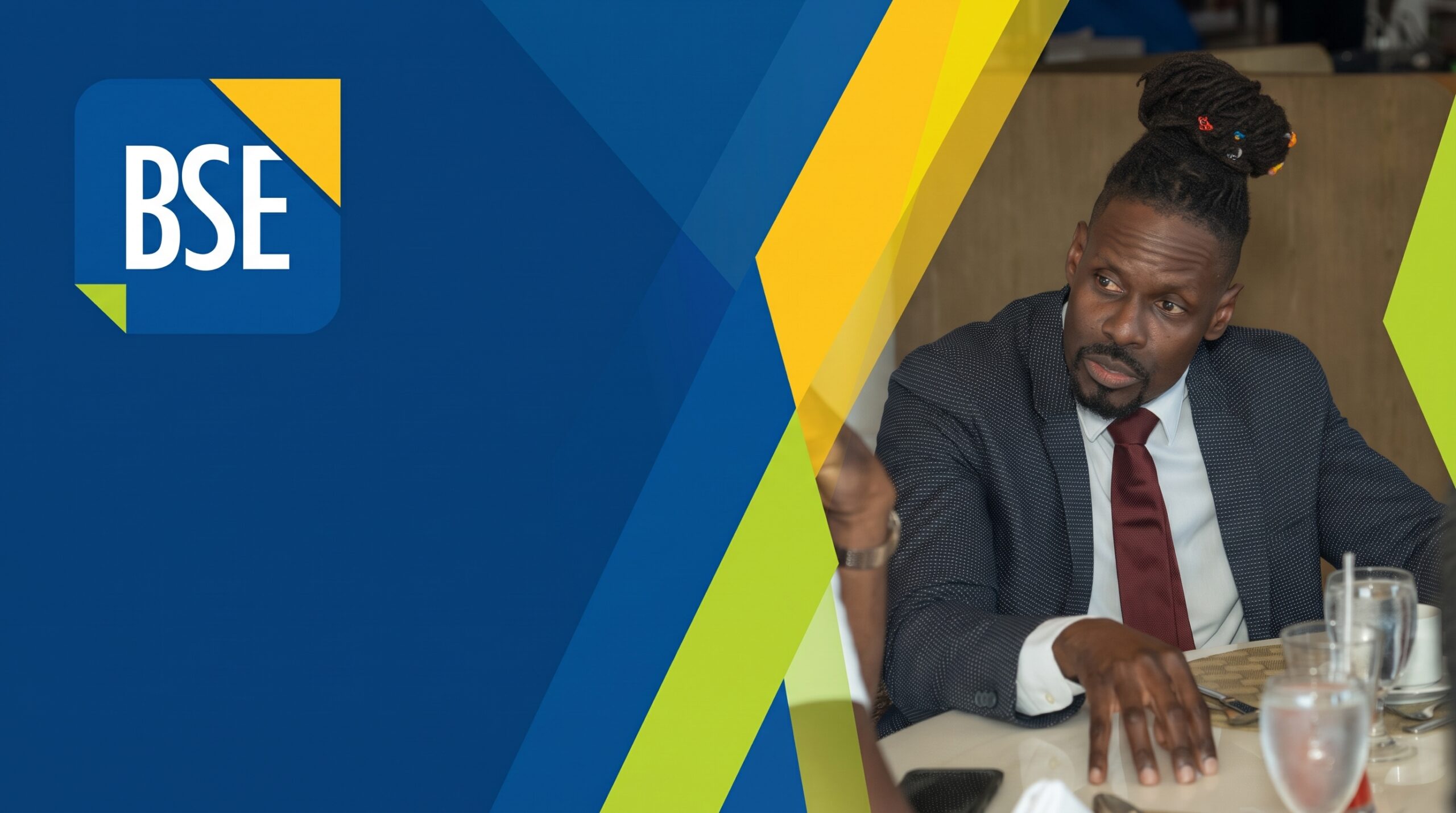
For many small and medium-sized enterprise (SME) owners in Barbados, the world of capital markets and stock exchange listings can feel distant. Traditional views often separate micro-financing and debt from the capital markets, treating them as entirely different realms. However, as ICAB Treasurer & Council Member Roland Jones explains, capital access exists on a continuous spectrum—and every scalable business starts on some step in the journey.
Whether a business is operating out of a home kitchen or generating several hundred thousand dollars annually, achieving financial readiness is a deciding factor in unlocking growth.
Building on foundational insights from the BSE’s inaugural workshop, here is a breakdown of what investment readiness means in practice and why preparing early is the key to sustainable growth:
1. Overcoming the Fundamental Accounting Pitfalls
Before an enterprise can attract institutional debt or equity investors, it must eliminate basic record-keeping deficiencies. In practice, lenders and advisors frequently observe three major hurdles among early-stage SMEs:
- Commingling Personal and Business Finances: Operating out of a single bank account obscures true profit margins and prevents accurate performance tracking.
- Under-Reporting Revenue: Omitting cash sales to gain short-term tax advantages directly undermines the business during loan or equity evaluations. Lenders rely heavily on official tax filings; slim tax records signal an inability to service debt.
- Absence of a Monthly Close: Delaying financial organisation until tax season creates panic and eliminates real-time decision-making capabilities.
2. Proportional Governance: Quality Support Without the Price Tag
A common misconception among local business owners is that proper financial governance requires prohibitive, high-cost audits. In reality, the answer is proportionality: a compilation first, then a review, and a full audit only when the business is heading to investors or the exchange.
Some of this support exists today, and some is proposed:
- Lender and ICAB Partnerships: Under an MOU signed in October 2025, ICAB members have provided bookkeeping and compliance support to FundAccess borrowers. The same model can extend to other lenders and the credit unions.
- Tiered Fixed-Fee Packages: A published monthly price for bookkeeping plus an annual compilation. Cloud accounting and bank feeds have cut the cost of the work, and fees can reflect that.
- Supervised Student Clinics: A proposal for ICAB to test, in which students and newly qualified accountants, supervised by members, serve small businesses at low cost.
- Fractional CFOs: Growing businesses can access high-level strategic direction for a fraction of a full-time executive salary.
3. Shifting Mindsets: From “My Business” to “The Company”
Transitioning from debt dependency to equity investment requires both operational and psychological shifts:
- Separating Ownership from Control: Bringing in equity partners does not mean surrendering control. Shareholders’ agreements, class-specific shares, and strong board structures allow founders to retain strategic direction while capitalising the business.
- Operational Independence: An equity-ready business must be capable of running independently of its founder. If daily operations depend entirely on one individual, investors price in significant key-person risk.
- Transparency as a Value Driver: Complete financial disclosure removes uncertainty. When investors clearly understand the numbers, they reduce the discount they apply for risk, boosting the enterprise’s overall valuation.
- Transferability: Clean records also make the business transferable. Whether the founder hands it to the next generation or sells it, a successor or buyer must be able to trust the numbers.
4. Taking the First Step Today
Financial readiness is not built overnight; it is cultivated through consistent monthly habits. For Barbadian business owners aspiring to scale, the advice is simple:
“Your records don’t need to be ready for the Stock Exchange today. They need to be ready for next month.” — Roland Jones, Treasurer & Council Member at ICAB (Former FundAccess Chairman)
By opening a dedicated business account, recording every transaction, closing books monthly, and paying yourself a fixed salary, you construct the verifiable track record required by lenders and equity partners alike.
The Barbados Stock Exchange is committed to supporting local SMEs along this growth ladder, providing the framework needed to transform small businesses into enduring, generational wealth creators.