
Are you ready to build a legacy?
Day One of the IGM200 “Your Investment Ready” Workshop opened with a powerful message: capital markets are not simply about raising money — they are about building legacies.
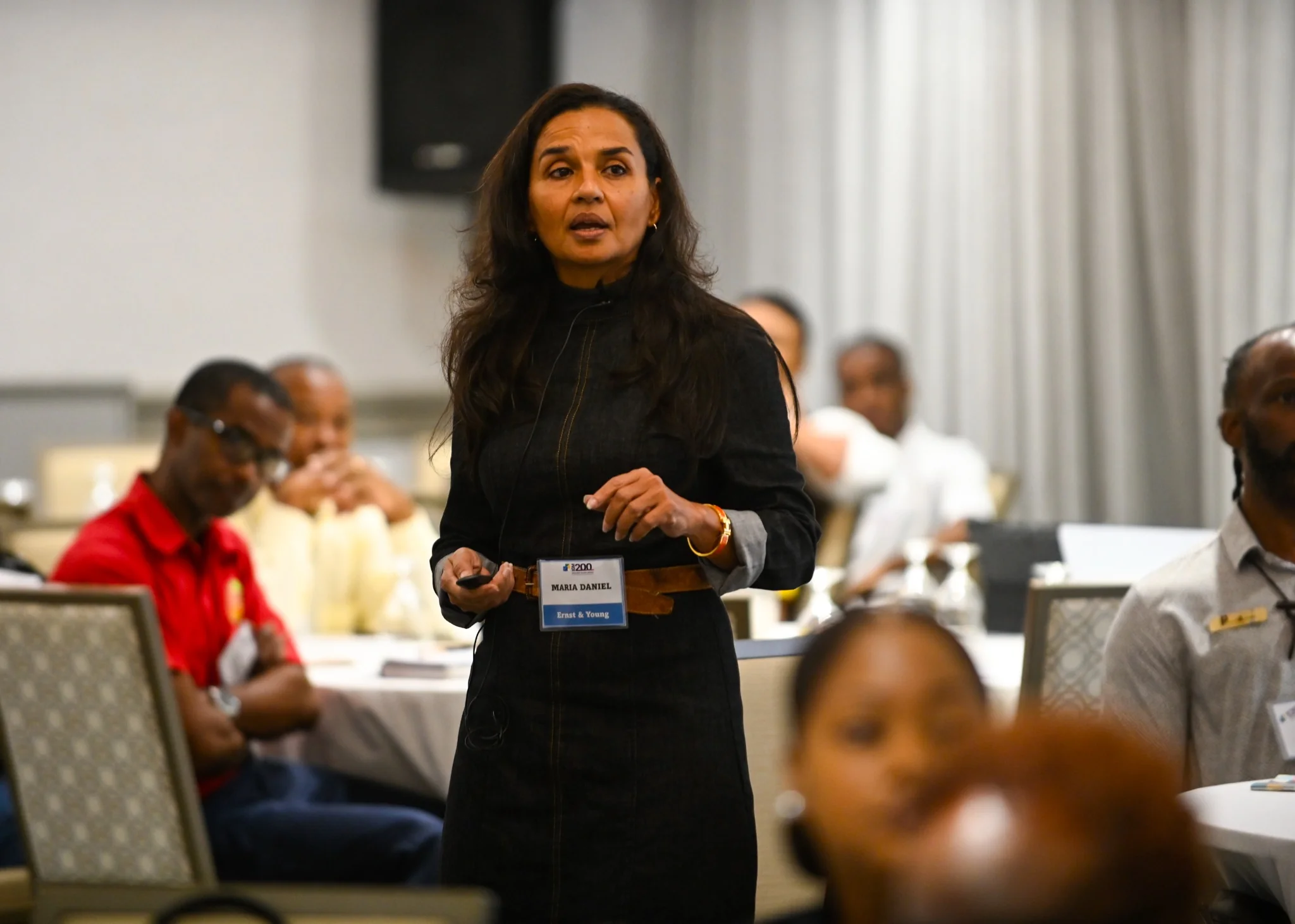
In her keynote address, Maria Daniel of EY framed equity financing within a broader evolution of global capital markets. Over time, she explained, markets have moved from being transactional and debt-heavy to increasingly sophisticated ecosystems where governance, transparency, innovation, and patient capital drive long-term growth .
For the SMEs gathered in the room, this was not abstract theory. It was a call to think differently about their own businesses.
Beyond Survival: Building for Scale
One of the most resonant themes of the presentation was the distinction between capital that helps businesses survive and capital that allows them to scale. Equity financing, Maria emphasised, offers patient capital — funding that gives entrepreneurs time to build, refine, and expand rather than simply service debt .
But that opportunity comes with responsibility.
Equity investors are not lenders; they are partners. They expect discipline, credible financial reporting, robust governance structures, and a clear long-term strategy. Listing on a market such as the Innovation and Growth Market (IGM) requires a shift in mindset from owner-operator to accountable steward of shareholder value.
For many in the audience, this was the first time equity had been framed not as a last resort, but as a strategic growth tool.
The Governance Imperative
Maria’s presentation reinforced that modern capital markets reward transparency and structure. Companies that embrace governance frameworks — independent oversight, clear reporting standards, and formalised decision-making processes — build trust. And trust, she stressed, is the currency of capital markets .
This theme would echo throughout the workshop, particularly during the legal and regulatory sessions that followed. But it began here — with the understanding that listing is not simply a financial event; it is an institutional transformation.
Wealth Creation and Intergenerational Impact
Perhaps the most compelling moment came when Maria spoke about wealth creation beyond the individual founder. Capital markets, she noted, create pathways for broader participation — allowing businesses to transition from privately held enterprises to entities in which employees, investors, and communities can share in growth .
In that sense, equity financing becomes more than a funding mechanism. It becomes a tool for intergenerational wealth creation and national development.
This perspective was particularly relevant in a Barbadian context, where SMEs represent a significant share of economic activity. If even a portion of these businesses strengthen governance, access equity, and scale responsibly, the ripple effects could be profound.
Setting the Standard
By the time the keynote concluded, the tone for Day One had been set. The message was ambitious, but grounded: the Innovation and Growth Market offers opportunity — but only for businesses prepared to meet its standards.
The sessions that followed would dive into legal requirements, compliance obligations, financial readiness, and export scalability. But the intellectual anchor had already been established.
Capital markets build legacies .
And for the SMEs in the room, the question was no longer whether equity financing was possible — but whether they were ready to rise to it.